Millions Are Searching for Answers —
You May Be One of Them
Temporomandibular joint disorders (TMD) and sleep apnea are among the most underdiagnosed conditions in healthcare. Many patients spend years cycling through specialists — neurologists, ENTs, primary care physicians — without ever receiving a clear diagnosis. The pain is real. The fatigue is real. The frustration is real.
Central Arkansas TMJ and Sleep specializes in precisely these conditions. This page explains what TMD, sleep apnea, and craniofacial pain are, how they present, and why an integrated, specialized approach makes the difference. If you've been told "everything looks normal" but you still feel far from it, read on.
Temporomandibular Joint Disorders (TMD)
The temporomandibular joint (TMJ) acts as a sliding hinge connecting your jawbone to your skull. TMD is an umbrella term for dysfunction in this joint and the surrounding muscles that control jaw movement. It is not a single condition but a cluster of related disorders that can range from mild discomfort to debilitating chronic pain.
TMD can arise from a number of contributing factors, including:
- Jaw injury or trauma
- Teeth grinding or clenching (bruxism)
- Arthritis affecting the joint
- Structural misalignment of the bite
- Chronic stress and muscle overuse
- Disc displacement within the joint
Patients with TMD commonly report:
- Clicking, popping, or grating sounds when opening or closing the mouth
- Limited jaw opening or locking of the jaw
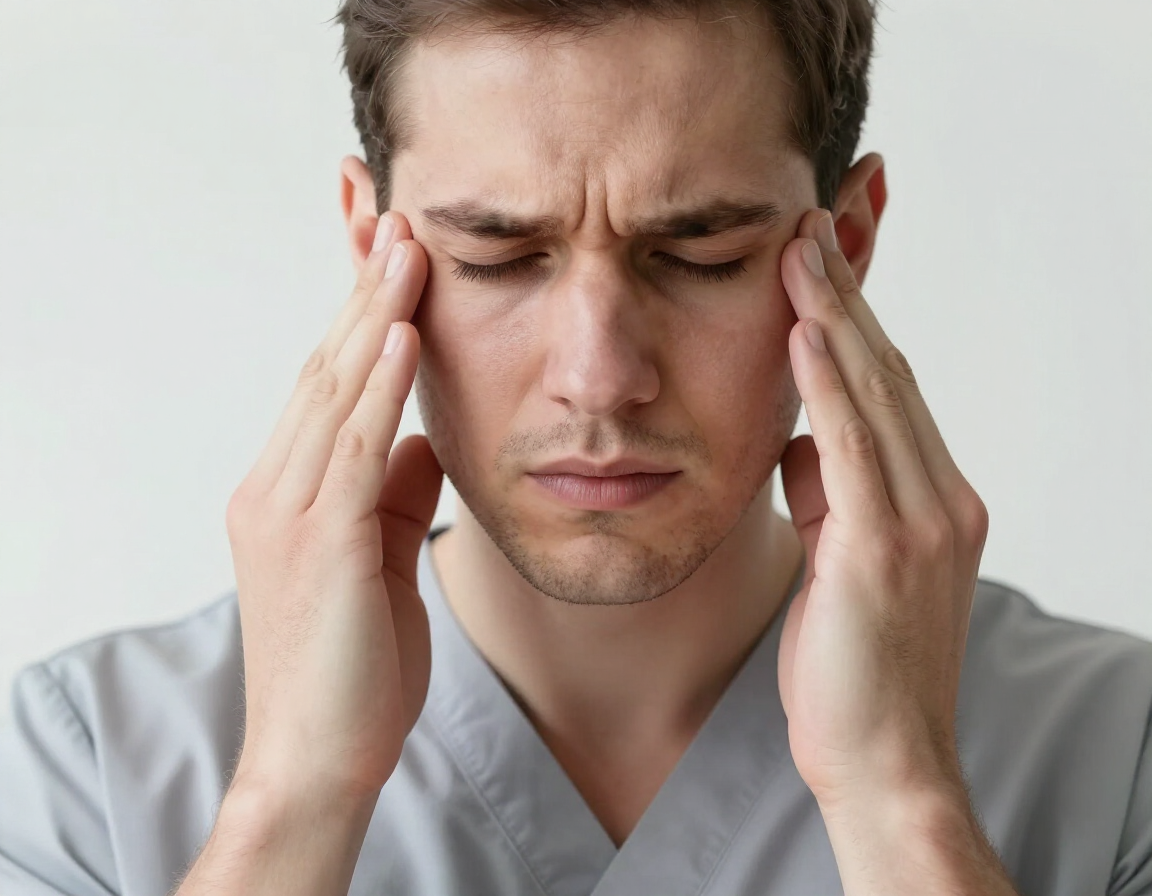
- Facial pain or soreness, particularly around the jaw and temples
- Headaches, including tension-type and migraine-pattern
- Ear pain, fullness, or ringing (tinnitus)
- Neck and shoulder muscle tension
Untreated TMD tends to worsen over time. Joint damage, chronic pain sensitization, and deteriorating sleep quality are all documented outcomes. Early intervention is far more effective than managing advanced dysfunction.


Sleep Apnea and Craniofacial Structure
Sleep apnea is a condition in which breathing repeatedly stops and restarts during sleep. The most common form, obstructive sleep apnea (OSA), occurs when the throat muscles relax and block the airway. Left untreated, it dramatically increases the risk of hypertension, cardiovascular disease, diabetes, and cognitive decline.
The shape and position of the jaw, tongue, and airway soft tissue all influence whether the airway stays open during sleep. Patients with a smaller lower jaw (retrognathia), a high narrow palate, or significant TMD are disproportionately at risk for OSA. This is why a dental sleep medicine evaluation is often the missing piece in a patient's diagnostic journey.
Traditional treatment (CPAP therapy) remains the clinical gold standard for moderate-to-severe OSA. Dental sleep medicine adds a complementary pathway: custom oral appliance therapy (OAT), which repositions the jaw to maintain an open airway during sleep. For patients who are CPAP-intolerant or who have mild-to-moderate OSA, oral appliance therapy can be highly effective. Central Arkansas TMJ and Sleep coordinates closely with sleep physicians to ensure patients receive the most appropriate, evidence-based care.
Sleep apnea symptoms extend well beyond snoring:
- Waking unrefreshed despite a full night of sleep
- Daytime fatigue, brain fog, or difficulty concentrating
- Witnessed apneas (pauses in breathing reported by a partner)
- Morning headaches
- Mood changes, irritability, or depression
- Frequent nighttime waking
Craniofacial Pain: More Than Just a Headache
Craniofacial pain encompasses a broad spectrum of pain conditions affecting the head, face, jaw, and neck. It includes tension-type headaches, migraine-adjacent pain, myofascial pain (tight, overworked muscles), and neuropathic pain conditions. Many patients suffering from chronic headaches or facial pain have never been evaluated for an underlying TMD or sleep disorder as the root cause.
The muscles of mastication (chewing) and the TMJ are anatomically connected to the neck, temples, and base of the skull. When the jaw is misaligned, clenching is habitual, or the joint is inflamed, referred pain radiates outward — producing what feels like a sinus headache, an ear infection, or neck stiffness that no amount of massage resolves permanently. Treating the source, not just the symptom, is the only path to lasting relief.
Patients often present with one or more of the following:
- Chronic daily headaches or frequent tension headaches
- Facial muscle soreness or tightness (especially cheeks, temples, jaw)
- Neck and upper shoulder pain that recurs without clear musculoskeletal cause
- Pain behind or around the eyes
- Sensitive or painful teeth with no identifiable dental cause
- A feeling of ear pressure or fullness
Because craniofacial pain overlaps with TMD and sleep disorders, a siloed specialist approach often fails. Central Arkansas TMJ and Sleep evaluates the full craniofacial system — joint, muscle, airway, and bite — to identify the true source of pain and build a coordinated treatment plan.
Common Questions About TMD, Sleep Apnea, and Craniofacial Pain
If you're unsure whether what you're experiencing fits one of these conditions, these answers may help clarify your next step.
Is my jaw pain really TMD?
Jaw pain alone does not always indicate TMD, but when it is accompanied by clicking or popping sounds, limited jaw opening, facial muscle soreness, or headaches, TMD becomes a strong clinical possibility. A proper evaluation — including a history, physical exam, and imaging when indicated — is the only way to confirm a diagnosis. Many patients are surprised to learn how many of their seemingly unrelated symptoms point back to the jaw.Can a dentist treat sleep apnea?
Yes — dentists trained in dental sleep medicine play an important role in managing sleep apnea, particularly for patients with mild-to-moderate obstructive sleep apnea or those who cannot tolerate CPAP. Oral appliance therapy (OAT), provided by a qualified dental sleep medicine specialist, is a recognized, evidence-based treatment. Central Arkansas TMJ and Sleep works in collaboration with sleep physicians to ensure diagnosis is medically supervised and care is coordinated appropriately.How do I know which condition I have — TMD, sleep apnea, or craniofacial pain?
These conditions frequently co-occur and share overlapping symptoms, which is exactly why accurate diagnosis requires a specialist with expertise across all three. You do not need to self-diagnose before scheduling a consultation. A comprehensive evaluation at Central Arkansas TMJ and Sleep will assess your symptoms, history, and craniofacial structure to determine what is driving your pain or sleep disruption — and what treatment path is appropriate.I've seen other doctors and been told nothing is wrong. Should I still come in?
Absolutely. TMD and sleep-related breathing disorders are frequently missed in general medical and dental settings because they require specialized training to identify. Many of our patients arrive after years of inconclusive evaluations. If your symptoms persist despite prior workups, a specialized craniofacial evaluation is a logical and warranted next step.Will I need surgery?
Surgery is rarely the first or only option. The majority of TMD and sleep apnea patients respond well to conservative, non-surgical approaches — including oral appliance therapy, physical therapy, behavioral modification, and coordinated medical management. A thorough evaluation will identify the least invasive, most effective treatment path for your specific situation.
Recognize Your Symptoms? The Next Step Is a Conversation.
You don't need a diagnosis before reaching out. Our team will evaluate your symptoms, answer your questions, and explain your options — with no obligation and no pressure. Personalized care for TMD, sleep apnea, and craniofacial pain starts with a single consultation.